Mushroom Coffee vs. Matcha: Which Is Better for Energy?
Coffee and matcha have both become popular choices for people looking for a natural way to feel more energized and focused. Coffee is known for its bold flavor and caffeine content, while matcha has developed a reputation for providing a calmer, more sustained form of energy.
But there's another option that combines the familiar experience of coffee with functional ingredients: mushroom coffee.
So, when it comes to energy and focus, which is better—mushroom coffee or matcha?
The answer depends on what you're looking for. Both beverages have unique characteristics, and understanding the differences can help you choose the one that best fits your lifestyle.
What Is Mushroom Coffee?
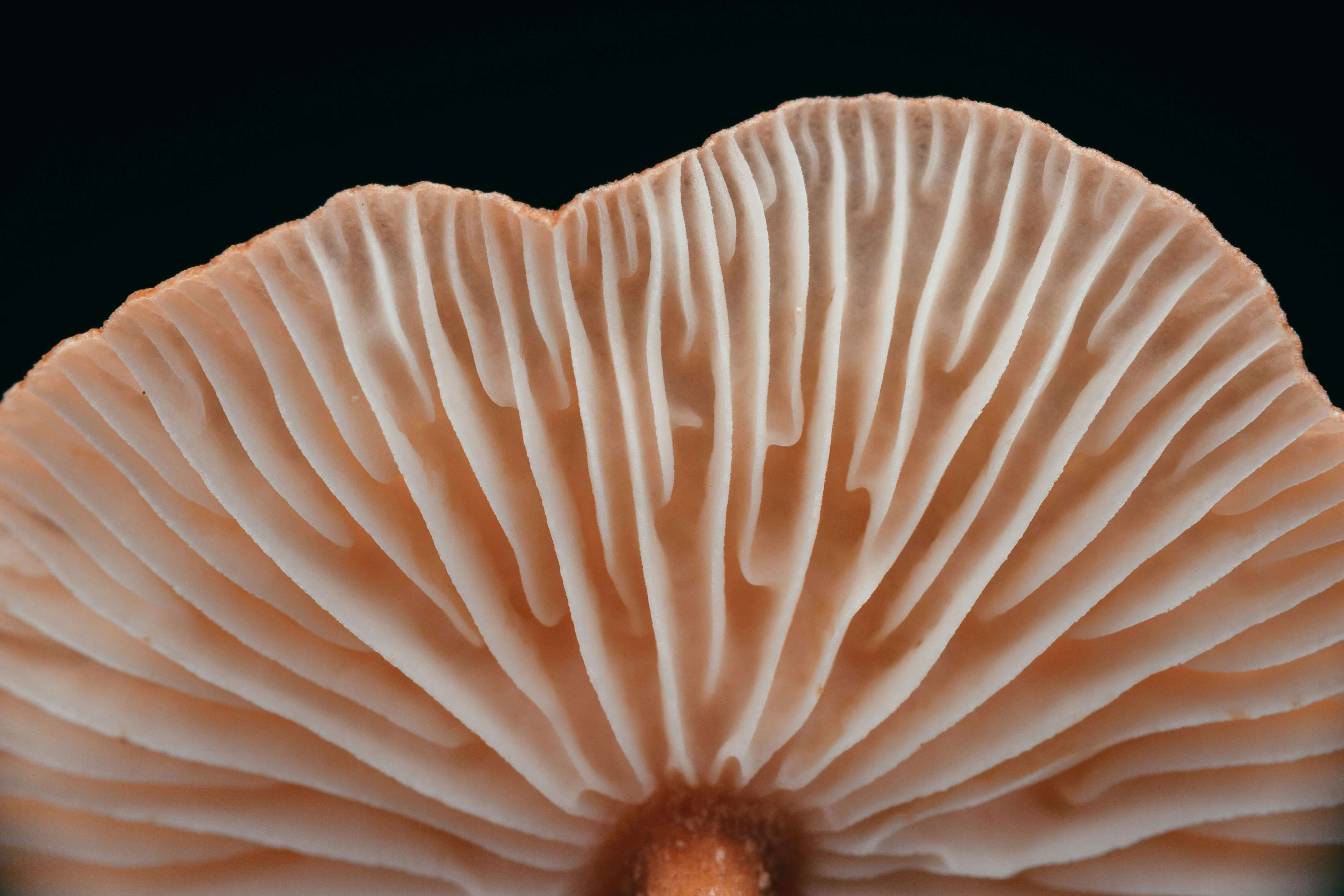
Mushroom coffee is typically made by combining coffee with extracts from functional mushrooms such as Lion's Mane and Chaga. Unlike culinary mushrooms, these functional mushrooms are used for their naturally occurring compounds and potential wellness benefits.
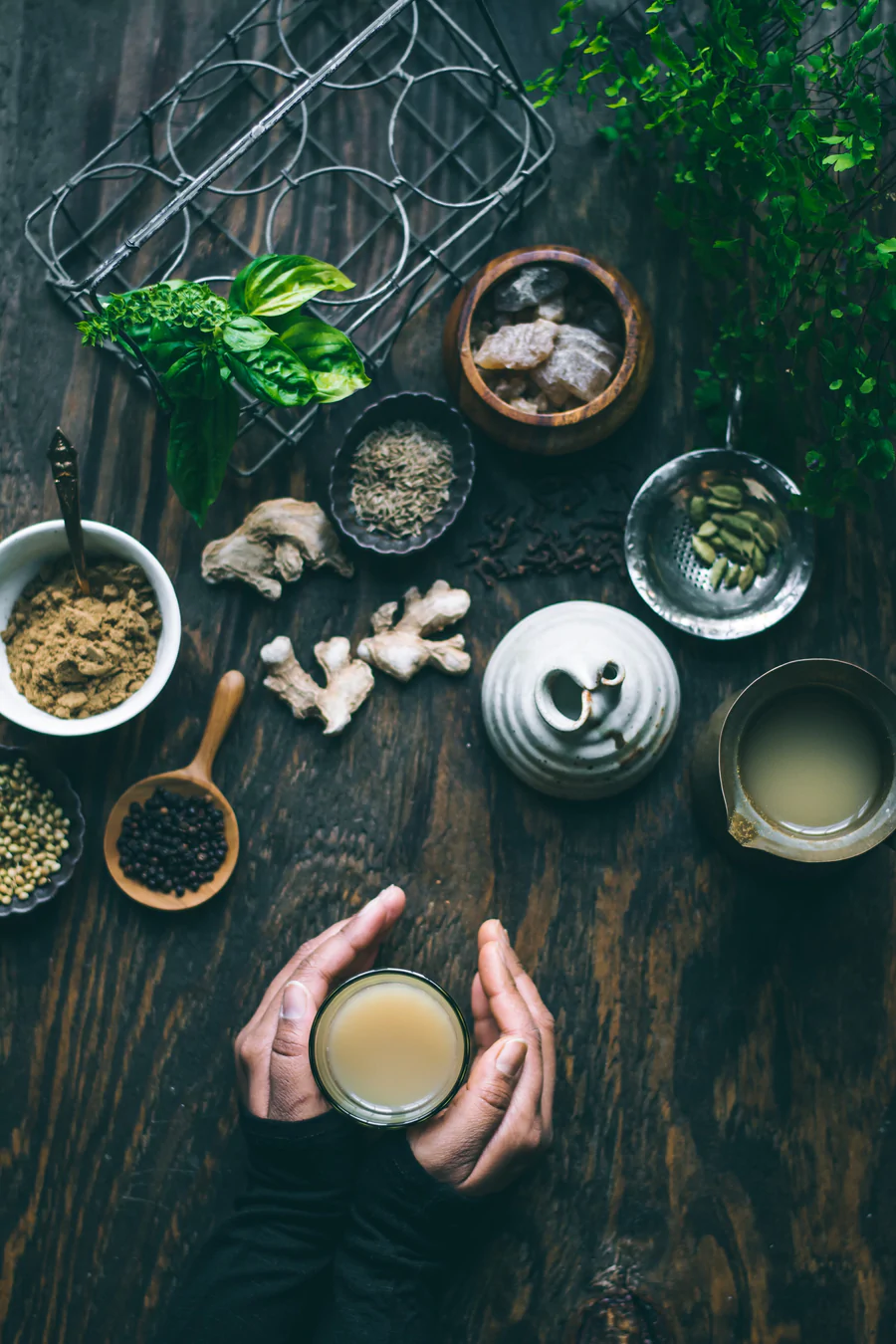
Many mushroom drinks also contain additional ingredients such as turmeric, black pepper, cinnamon, and L-Theanine.
This combination makes mushroom coffee different from traditional coffee. Instead of relying on caffeine alone, it combines coffee with ingredients selected to support focus, energy, and overall wellness.
What Is Matcha?
Matcha is a finely ground powder made from specially grown and processed green tea leaves.
Unlike traditional green tea, where the leaves are steeped and discarded, matcha involves consuming the entire tea leaf in powdered form. This means matcha naturally contains caffeine as well as compounds found in green tea, including L-Theanine and catechins.
Matcha is often associated with a smoother, more gradual energy experience.
One reason is its combination of caffeine and L-Theanine. L-Theanine is an amino acid naturally found in tea that has been studied for its potential effects on relaxation, attention, and mental performance.
Interestingly, L-Theanine is also included in some functional coffee blends.
Mushroom Coffee vs. Matcha: How Do They Compare for Energy?
When comparing these two beverages, caffeine is one of the most important factors.
Coffee generally contains more caffeine per serving than matcha, although the actual amount varies depending on the product, preparation method, and serving size.
This means coffee can provide a stronger feeling of stimulation, which can be useful when you need to wake up quickly or stay alert during a busy morning.
Matcha, on the other hand, is often chosen by people who prefer a gentler energy experience.
Mushroom coffee falls somewhere in between depending on its formulation. Because it contains coffee, its energy comes primarily from caffeine, while the functional ingredients may complement the overall experience.
For someone who enjoys the taste and energy of coffee but wants additional functional ingredients, mushroom coffee can be an appealing option.
Which Is Better for Focus?
Both matcha and mushroom coffee can be part of a focus-friendly routine.
Matcha naturally contains L-Theanine, which has been studied in combination with caffeine for attention and cognitive performance.
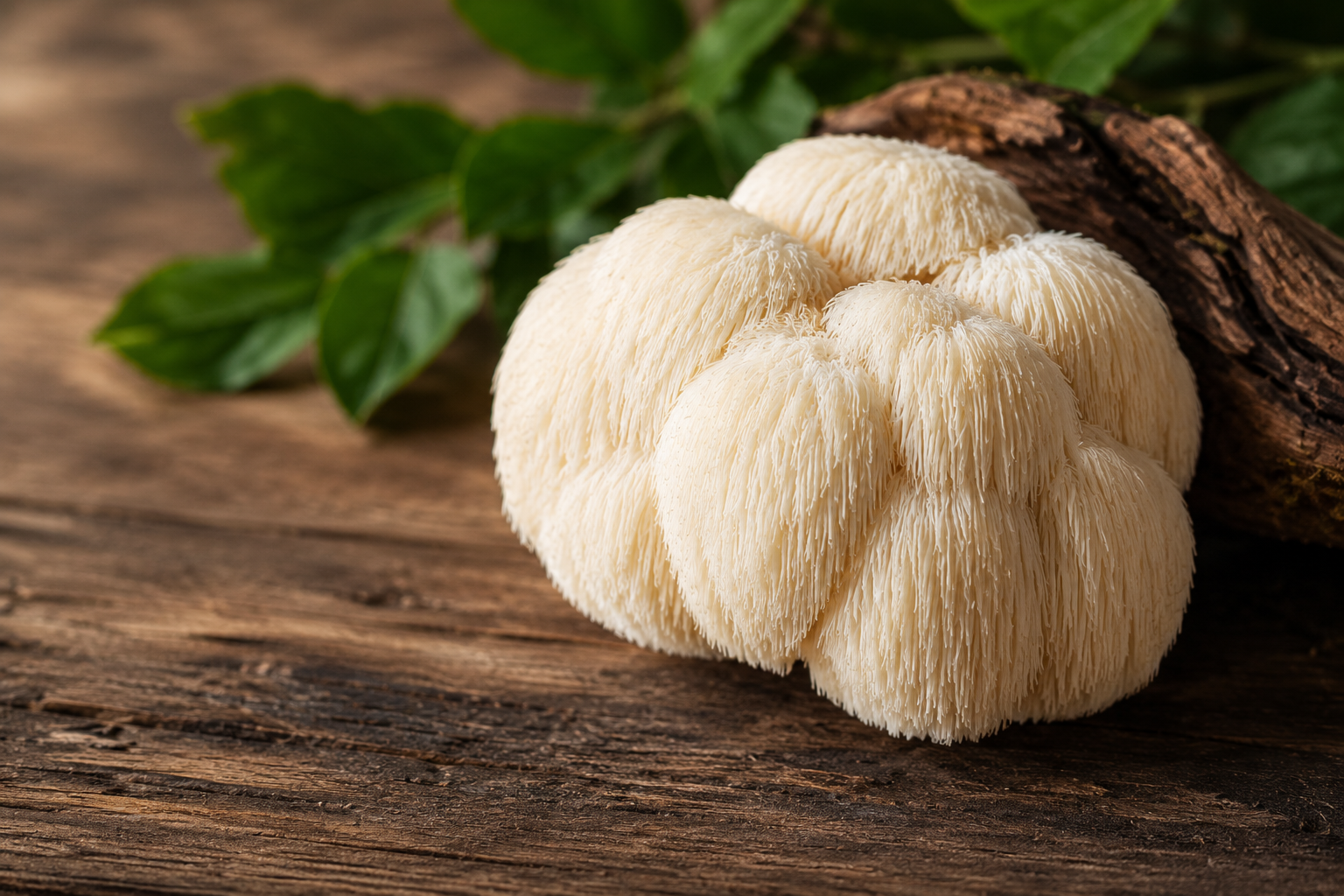
Mushroom coffee can provide a different approach to focus because some blends contain ingredients such as Lion's Mane and L-Theanine.
Lion's Mane is particularly popular in nootropic coffee because researchers are investigating its compounds and their potential relationship with nerve growth factor and cognitive function.
This is one reason lions mane coffee has become popular among people interested in mental clarity and productivity.
It's important to remember that research on Lion's Mane and cognitive benefits is still developing. It's better to think of it as a functional ingredient that may support wellness rather than a guaranteed cognitive enhancer.
The Role of L-Theanine
One interesting connection between matcha and mushroom coffee is L-Theanine.
Matcha naturally contains L-Theanine, while some mushroom coffee blends add it as a functional ingredient.
L-Theanine is known for its association with a relaxed-alert state. Research has explored its potential to support attention and relaxation, particularly when combined with caffeine.
This combination is one reason people often describe matcha as providing calm energy.
Mushroom coffee can offer a similar concept when L-Theanine is combined with coffee and functional mushrooms.
For people who enjoy the convenience and flavor of coffee but want a more balanced approach to their caffeine routine, this can be particularly appealing.
What About Chaga?
Matcha and mushroom coffee also differ significantly in their functional ingredients.
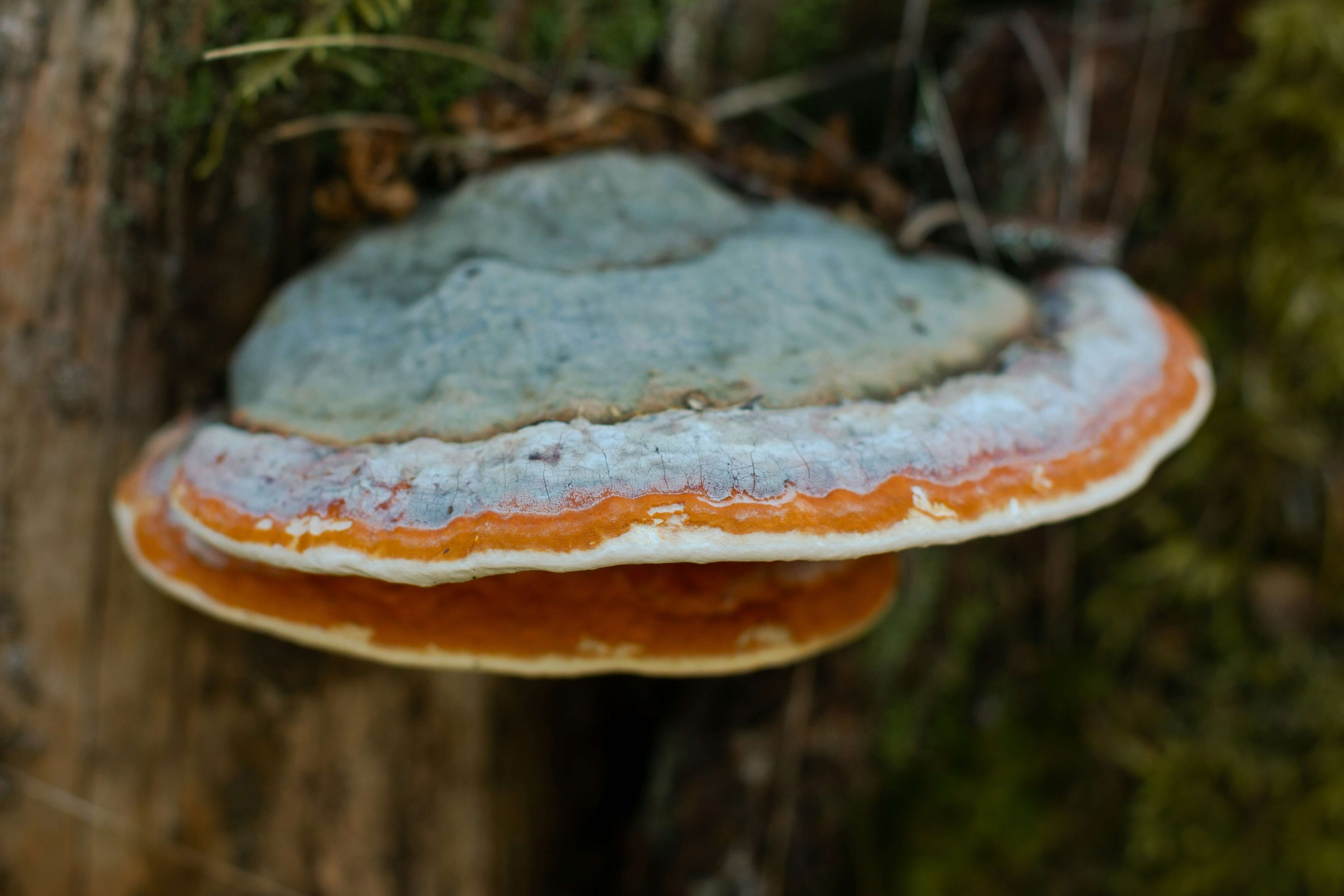
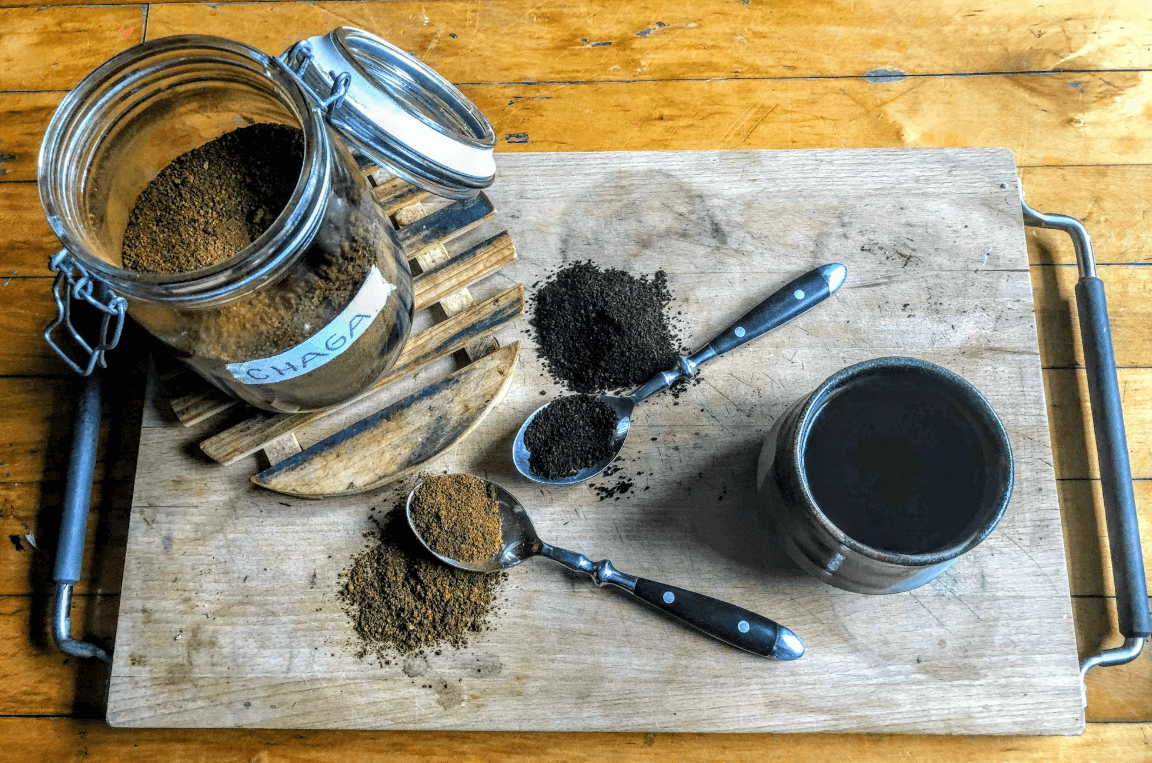
Chaga is commonly included in mushroom coffee blends because it contains naturally occurring antioxidant compounds.
Chaga mushroom coffee combines the familiar experience of coffee with Chaga's antioxidant-rich profile.
Chaga has been studied for its antioxidant and other biological properties, although much of the research is still preliminary and does not mean that drinking Chaga coffee will prevent or treat disease.
For wellness-minded coffee drinkers, however, Chaga can be an appealing addition to a daily beverage.
Turmeric, Black Pepper, and Other Ingredients
Some mushroom coffee blends go beyond mushrooms.
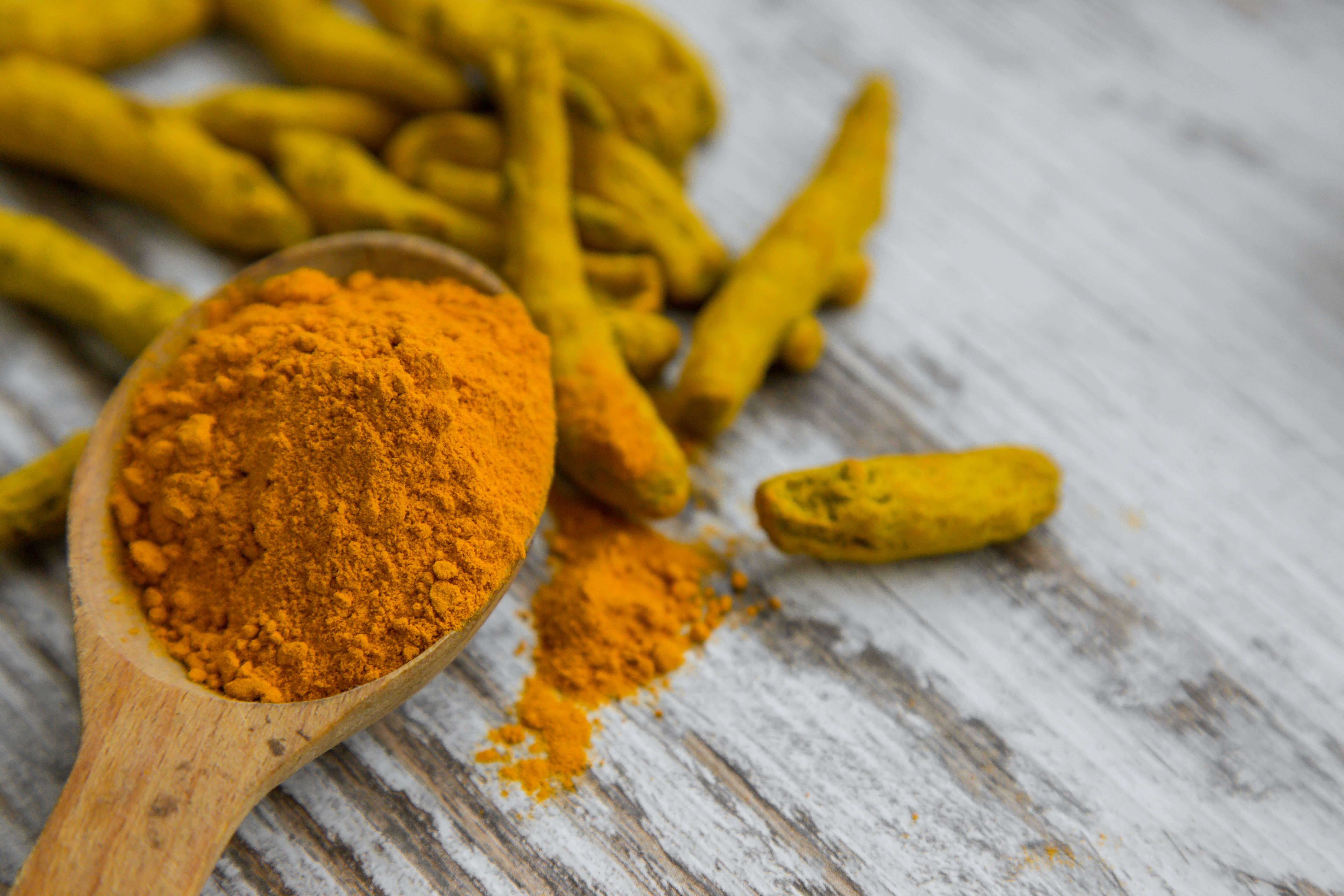
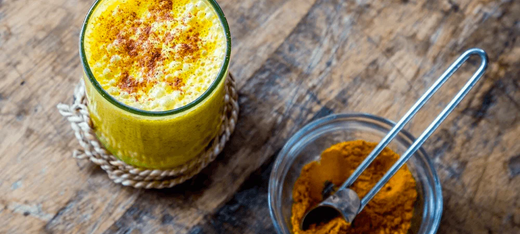
For example, turmeric is valued for its curcumin content and antioxidant properties. Black pepper is often paired with turmeric because piperine, a compound found in black pepper, can increase the bioavailability of curcumin.
This combination is one reason turmeric coffee has become popular among people interested in functional beverages.
Cinnamon may also be included for its distinctive flavor and naturally occurring antioxidant compounds.
When ingredients such as Lion's Mane, Chaga, turmeric, black pepper, cinnamon, and L-Theanine are combined with coffee, the result is a beverage designed to offer more than caffeine alone.
Which One Tastes Better?
Taste is highly personal.
Matcha has a distinctive earthy, grassy flavor that some people love and others find difficult to enjoy.
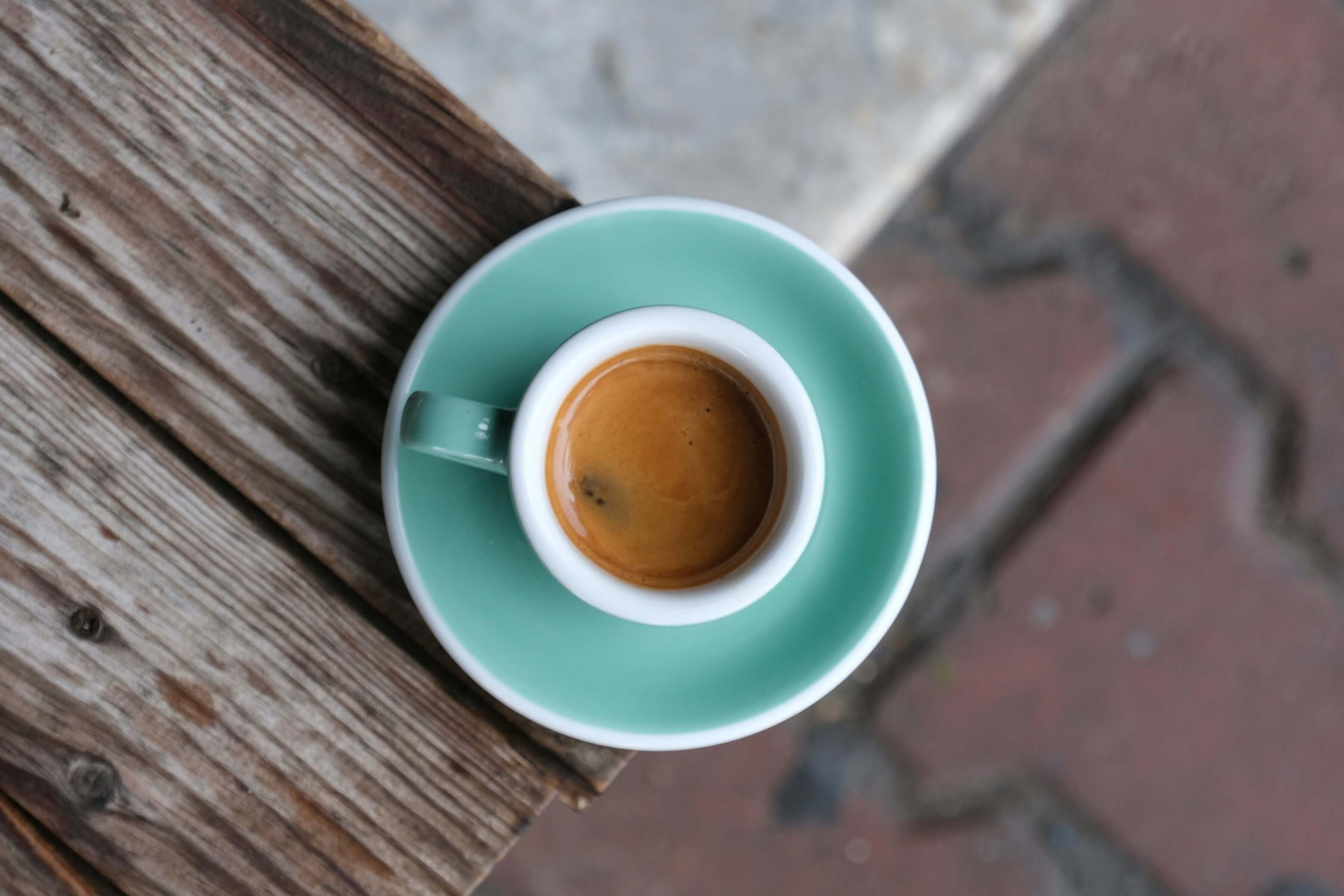
Coffee has a much more familiar flavor profile, ranging from light and fruity to rich and chocolatey depending on the beans and roast.
Despite the word "mushroom" in its name, high-quality mushroom coffee generally doesn't taste strongly like mushrooms.
A thoughtfully formulated blend can retain the rich flavor people expect from coffee while incorporating functional ingredients.
For coffee lovers, this makes the best tasting mushroom coffee an attractive alternative to switching completely to tea or matcha.
What About Convenience?
Convenience is another area where coffee has an advantage.
Traditional coffee can be brewed at home, purchased from a café, or prepared using convenient single-serve formats.
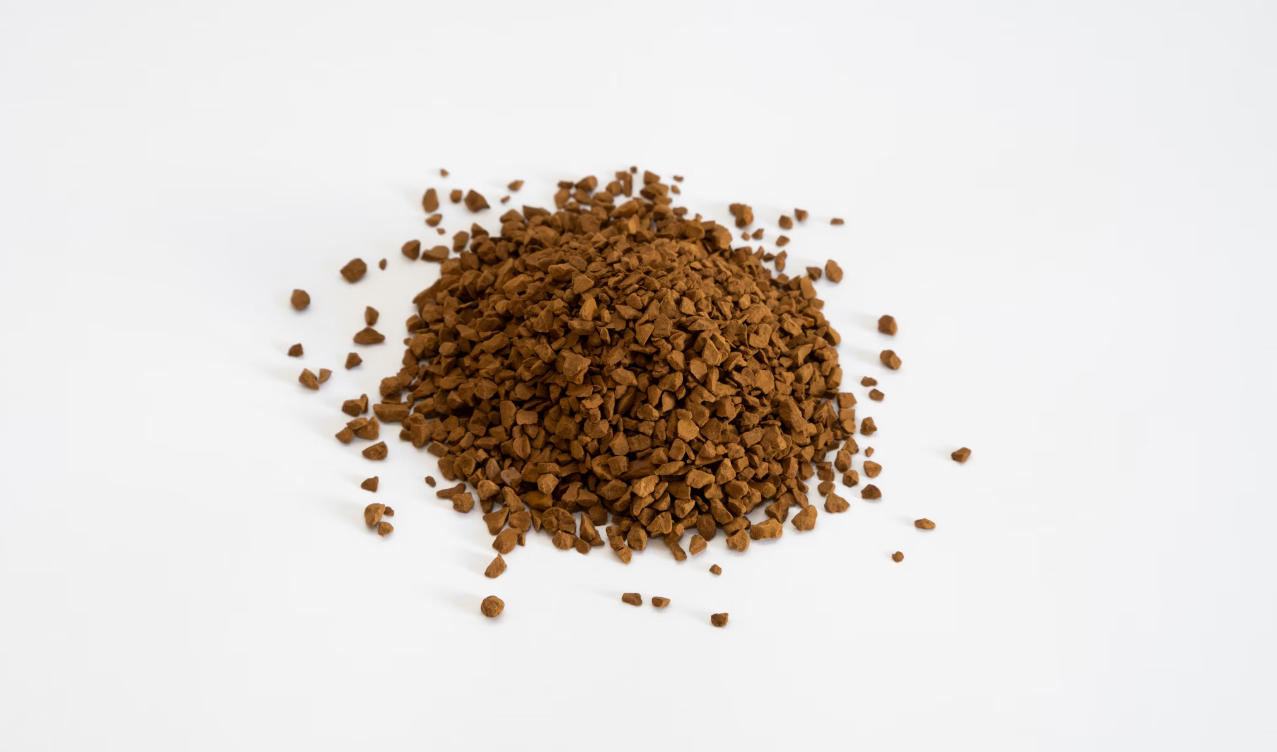
Mushroom instant coffee takes convenience a step further. Simply add the recommended amount to hot water, stir, and enjoy.
Matcha requires whisking or mixing the powder thoroughly to achieve a smooth texture. While this can become an enjoyable ritual, it may require an extra step in a busy morning.
For people who want a quick healthy coffee option that fits into a hectic schedule, mushroom instant coffee can be particularly convenient.
Where Does Grateful Earth Coffee Fit In?
Grateful Earth Coffee offers an interesting alternative for people who enjoy coffee but want more from their daily cup.
Its formula combines coffee with Lion's Mane, Chaga, turmeric, black pepper, cinnamon, and L-Theanine.
Each ingredient serves a different purpose within the overall formulation. Lion's Mane and L-Theanine are particularly relevant for people interested in focus, while Chaga and turmeric contribute antioxidant-rich ingredients. Black pepper is included alongside turmeric to help with curcumin absorption.
Rather than asking coffee lovers to completely change their morning routine, Grateful Earth Coffee provides a way to build functional ingredients into something they already enjoy.
For someone deciding between matcha and coffee, it can be an appealing choice if they prefer the flavor, familiarity, and caffeine experience of coffee.
So, Which Is Better: Mushroom Coffee or Matcha?
There isn't one universal winner.
Matcha may be a great choice if you enjoy its earthy flavor and prefer a beverage naturally containing both caffeine and L-Theanine.
Mushroom coffee may be better suited to people who:
- Prefer the taste of coffee
- Want a stronger caffeine experience
- Are interested in functional mushrooms
- Want ingredients such as Lion's Mane and Chaga
- Prefer a convenient healthy coffee option
- Want to incorporate multiple functional ingredients into one beverage
Ultimately, the best choice is the one that fits your preferences and lifestyle.
Final Thoughts
Both mushroom coffee and matcha offer interesting alternatives to simply reaching for another cup of traditional coffee.
Matcha provides caffeine, L-Theanine, and naturally occurring compounds from green tea. Mushroom coffee combines coffee with functional mushrooms and other ingredients designed to complement your daily routine.
For those interested in nootropic coffee, lions mane coffee, chaga mushroom coffee, or simply looking for the best mushroom coffee to replace their regular brew, functional coffee offers plenty to explore.
And for coffee lovers who don't want to sacrifice flavor, the best tasting mushroom coffee can provide the familiar experience of coffee while introducing ingredients such as Lion's Mane, Chaga, turmeric, black pepper, cinnamon, and L-Theanine.
Grateful Earth Coffee brings these ingredients together in one convenient blend, making it an easy option for anyone who wants to make their everyday coffee ritual a little more functional.
Recent Post